
Training
- All
How to Set Your Marathon Goal Pace and Stick to It on Race Day
Choosing a marathon goal pace starts with honest training. How to set a realistic target, turn it into checkpoints and hold it on race day.
Find articles for your running level
Tips, pacing and habits that help you run better.
Choosing a marathon goal pace starts with honest training. How to set a realistic target, turn it into checkpoints and hold it on race day.

AI can write a running plan in seconds, but is a plan the same as a coach? I tested AI on my own sub-3 marathon goal and looked at what the research says.
Meet Simon Clark of CPS In-Motion, the Raynes Park coach who uses lactate threshold testing to help runners and cyclists train without the trial and error.
Easy? Yes. Obvious? Maybe. The running coaches at Body Logic Health share their top tips for getting the most out of your running this winter.

I added a one-minute walk to every mile of a 10-mile run. Here’s how it compared with a continuous run, and what the research says about run-walk training.
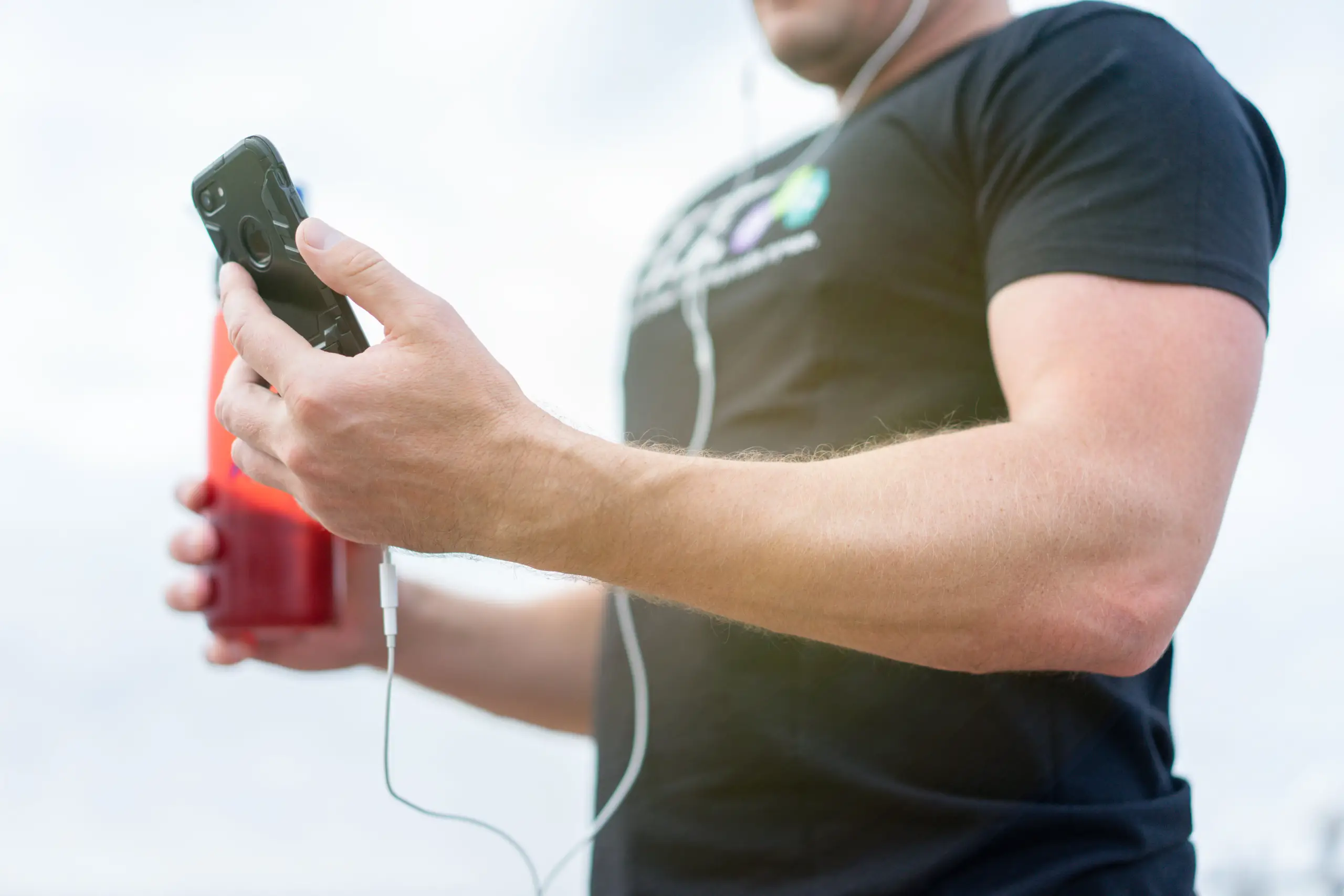
Carrying your phone isn’t the same as using it. Here’s what the research says about music, messages and calls on the run, and how to stay safe with headphones after dark.

Ever noticed your winter runs feel faster and easier? A paper from two physiologists suggests your body quietly switches off its own heating the moment you start running.

Cadence is a result, not an input. Focus on form, mobility, core, strength and technique, and a quicker, more efficient stride will follow on its own.

Whether you are training for your first 10K, preparing for a half marathon, or simply trying to become a more consistent runner, increasing your mileage is an important part of getting fitter.

Two University of East London experts share the fuelling, hydration & mental strategies to help on marathon day, from 60g of carbs an hour to the phrase to keep with you when the race starts to bite.

Heavy legs and laboured breathing in the first 10 to 15 minutes aren't a sign you're unfit. A Coventry University physiologist explains what's happening, and how to make it easier.

Five hot baths a week for five weeks raised trained runners' VO₂max by around 4%, without adding a single extra mile. Here's what the researchers found.

Mixing running with walk breaks can help you go further, recover faster and stay injury-free. An athletics coach explains the "Jeffing" method and who it might suit.

Slow jogging, at a pace easy enough to chat, is going viral. An exercise scientist explains why it works for beginners, and why seasoned runners might benefit too.

To get faster, most of your running should feel easy. Here's how aerobic base training works, how to tell if a run is truly easy, and why consistency beats intensity.

Every marathon season, I see the same pattern: an influx of runners dealing with early bone stress, stress reactions, or full stress fractures.

If you’ve spent any time on social media recently, you’ve probably seen videos claiming that plyometrics are the secret to becoming a faster runner.

One of the most common running technique issues we see at Podium Physiotherapy is overstriding.
London-based?
Download Run Love Sprint now
Free on iOS and Android. Find someone to run with in London.
Got an article, or an idea about one? Get in touch. Email hello@runlovesprint.com with subject "Story".

